Understanding GLP-1 Receptor Agonists: Types, Differences, and the Unspoken Drive Shift
The GLP-1 Landscape: Key Differences
-
Daily GLP-1 Monotherapy (e.g., Liraglutide / Saxenda, Victoza): An earlier generation requiring daily subcutaneous injections. Because of its shorter half-life, blood levels fluctuate more throughout a 24-hour period compared to newer options.
-
Weekly GLP-1 Monotherapy (e.g., Semaglutide / Ozempic, Wegovy): A longer-acting molecule administered once weekly. It provides steady GLP-1 receptor stimulation, offering robust glycemic control and appetite suppression with fewer daily fluctuations.
-
Dual Incretin Agonists (e.g., Tirzepatide / Mounjaro, Zepbound): A newer class known as a "twincretin." It mimics both GLP-1 and GIP (Glucose-dependent Insulinotropic Polypeptide). By targeting two distinct hormone receptors, it often yields greater improvements in insulin sensitivity and satiety than single-receptor agents.
Beyond Nausea: Understanding the "Dopamine Shift"
-
Blunted Drive & Anhedonia: Some individuals report a subtle flattening of overall drive, enthusiasm, or reward responsiveness.
-
Impact on Positive Habits: You may find that the intrinsic drive to engage in rewarding, healthy behaviors—such as going to the gym, pursuing personal projects, or engaging in high-energy hobbies—feels temporarily muted.
-
The ADHD Intersection: For individuals with underlying or unmanaged ADHD, whose baseline neurochemistry already involves baseline dopamine dysregulation, this shift can feel particularly pronounced. Unmanaged executive dysfunction can compound with a GLP-1-induced drop in motivation, making daily routines and health habits harder to initiate.
Navigating Treatment Wisely
-
Manage Underlying Conditions: Ensuring conditions like ADHD are properly diagnosed and managed creates a stable neurochemical foundation before or during weight management therapy.
-
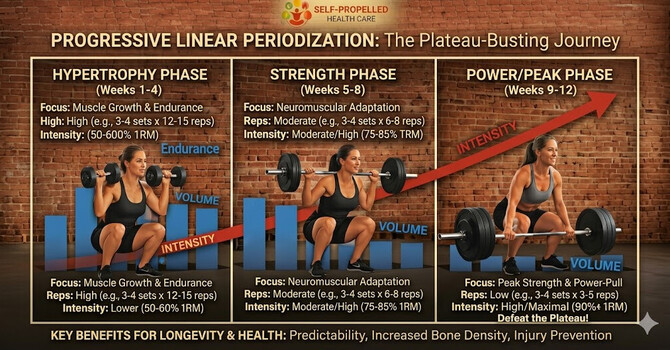
Focus on Intentional Structure: When spontaneous "drive" or motivation decreases, leaning on structured routines, scheduled movement, and progressive habits becomes essential to maintain lean muscle mass and metabolic momentum.
-
Tailor Your Care Plan: Open communication with your provider allows for precise dosage adjustments or supportive strategies to keep your energy, focus, and lifestyle goals aligned.
Beyond the Trend: Scrutiny, Stigma, and the Role in Preventive Care
As GLP-1 and dual-incretin therapies have surged in popularity, they have drawn considerable public scrutiny and social judgment, often mischaracterized as a cosmetic shortcut or a trend for quick aesthetic changes. However, clinical obesity and metabolic dysfunction are complex, physiological conditions—not issues of willpower.
When prescribed appropriately, these medications serve a vital role in evidence-based preventive medicine. Clinical guidelines establish clear medical criteria for their use:
-
BMI of 29.9 or higher as a standalone indicator for obesity management.
-
BMI of 27-29 in the presence of weight-related comorbidities, such as Type 2 diabetes, dyslipidemia, hypertension, or non-alcoholic fatty liver disease.
While pop culture often treats these drugs as a quick fix, the medical reality is different. GLP-1s are not a substitute for sustainable habits; rather, they are another powerful tool in the toolbox of comprehensive lifestyle care. When combined with progressive strength training, nutrition, stress management, and restorative sleep, these therapies help reset biological pathways, making long-term health, chronic disease prevention, and disease reversal achievable.