Snacking tends to get a bad rap. We live in a culture that predominately feels that eating less will help us meet our health goals. Since snacking is "extra" food, cutting it out helps us eat less, right? The problem is that being underfueled often leads to more intense food cravings and irregular eating patterns later on. Also, lots of people have challenges prepping meals or remembering to eat regularly. In this case, snacking becomes the cornerstone of their eating pattern. We need to shift our thinking of snacking. Let's have it become a valuable tool that helps sustain our focus and energy throughout the day.
Building A Better Snack
Do you ever get partway through the day, and your energy and focus feel like they take a nose-dive? Usually our response is to grab some caffeine or sugar to help with a quick pick me up. The frustrating part is, their energizing effects don't last and you can actually feel more sluggish and less focused an hour or two later. If you are wanting another snack shortly after you ate, what you had likely wasn't satiating enough. It's also possible you were eating to fill a regulatory or emotional need, and food only met this need for a short time.
Satiety is the feeling of being full, or satisfied after eating something. Much of this depends on the nutrients in your food, which can signal to the brain that you've had a nutritious and filling meal. Fibre, protein, and a small amount of fat (e.g. some peanut butter or an egg yolk) are nutrients that can signal satiety, and help you feel full for longer.
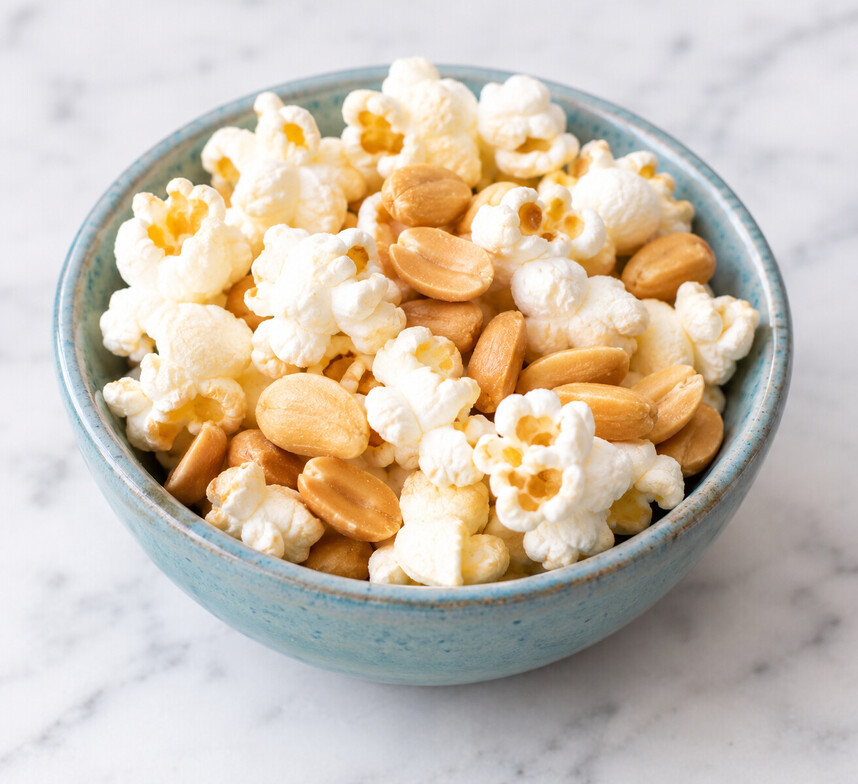
It does take some planning and thought to build a satiating snack. But don't panic, because it doesn't have to be an elaborate meal prep process with everything made from scratch. It is as simple as stocking your fridge and pantry with some fibre and protein rich foods. If stocking your pantry isn't in the cards for you, know where you can go to buy balanced snacks last minute. Some examples of satiating snacks I love include apple and peanut butter, veggies and dip, seasoned roasted chickpeas or edamame, and preboiled eggs with a piece of fruit.
Here are the questions I ask my clients when we are talking about picking a snack that provides part of your nutrition for the day. Ideally, you can answer yes to all of these questions.
- Is it satiating, meaning it will fill you up for a few hours?
- Does it taste good?
- Can I plan for it ahead of time, or is it easily accesible?
- Does it include mainly whole (minimally processed) foods?
If you answered "no" to most of these questions, it doesn't mean you are making a bad choice. It just means that the snack you are reaching for might be one that you are having for pleasure, regulation, or out of habit instead. It is okay to enjoy the flavour of a "less healthy" snack, or to appreciate the feeling that it brings you. Try to approach your cravings for snacks with curiosity. If you feel like your snack choices are not sustaining your energy, or are affecting health conditions, try the following:
- see if there is something else that can meet that need,
- or consider changing around meal or snack timing to see if it changes your snack cravings
Over time, you can start to find balanced snacks that you enjoy and a meal/snack pattern that supports your physical and emotional needs. If you want more guidance, download our FREE snacking guide below to help you get started.