If you have ADHD and have recently entered perimenopause or menopause, you may feel as though your brain suddenly stopped cooperating. Familiar strategies that worked for years--planners, routines, reminders, or even your usual ADHD medicatio--might feel far less reliable.
Many women find themselves wondering: Why are my focus, memory, and emotional regulation suddenly so much harder to manage?
The explanation lies in a biochemical partnership: estrogen and dopamine. Understanding how hormonal shifts interact with the neurobiology of ADHD clarifies why symptoms often intensify during this life stage--and highlights effective approaches to navigate it.
1. The Biochemical Partnership: Estrogen & Dopamine ADHD is fundamentally tied to the brain’s neurotransmitter systems, especially dopamine and norepinephrine, which regulate: Sustained attention and task initiation Executive function and working memory Impulse control and emotional balance
Estrogen (specifically 17β-estradiol) is not just a reproductive hormone; it is a potent neurosteroid that directly modulates neurotransmission in brain regions governing executive function, including the prefrontal cortex and hippocampus. Estrogen supports dopamine signaling by:
- Promoting Synthesis: Stimulating tyrosine hydroxylase, the key rate-limiting enzyme needed to produce dopamine.
- Slowing Breakdown: Inhibiting monoamine oxidase (MAO) and catechol-O-methyltransferase (COMT), enzymes responsible for degrading dopamine.
- Sensitizing Receptors: Increasing the density and sensitivity of dopamine receptors (particularly D2 receptors).
In short: When estrogen levels are steady and robust, dopamine activity is supported. When estrogen drops or fluctuates wildly, dopamine availability plummets.
2. Why Symptoms Escalate During Perimenopause During perimenopause, ovarian hormone production does not decline in a straight line. Instead, estrogen levels fluctuate unpredictably before dropping permanently.
For an ADHD brain already operating with baseline dopamine dysregulation, these hormonal dips can create a "double deficit":
- Intensified Brain Fog & Executive Dysfunction: Forgetting mid-sentence what you were saying, misplacing items constantly, or feeling paralyzed by routine multi-step tasks.
- Medication "Tolerance" or Reduced Efficacy: Stimulant medications (such as methylphenidate or amphetamine derivatives) increase dopamine and norepinephrine in the synaptic cleft. When underlying estrogen levels fall, there is less baseline neurotransmitter activity to amplify, leading many women to feel their medication has stopped working.
- Emotional Dysregulation and Rejection Sensitivity: Progesterone and estrogen also modulate GABA and serotonin. Rapid shifts can trigger severe mood swings, irritability, anxiety, and heightened rejection sensitive dysphoria (RSD).
- Sleep Disruption: Hot flashes, night sweats, and hormonal insomnia rob the brain of restorative slow-wave and REM sleep, compounding cognitive deficits the following day.
3. The Late Diagnosis Phenomenon Many women navigate childhood, university, and early careers by using intelligence, hyperfocus, and elaborate compensatory systems to mask underlying ADHD.
However, during the menopausal transition, three major pressures often collide:
- The neurological buffer provided by estrogen diminishes.
- Life responsibilities often peak (e.g., career demands, aging parents, adolescent children).
- Chronic fatigue reduces executive stamina. When compensatory habits can no longer bridge the gap, ADHD symptoms frequently surface or escalate. Consequently, midlife is one of the most common times for women to receive their first formal ADHD evaluation.
Comprehensive Strategies for Managing the Transition Managing ADHD through perimenopause and menopause requires an integrated approach that addresses both neurochemistry and endocrine health.
Clinical & Medical Approaches Hormone Therapy Evaluation: For eligible individuals, systemic or local Menopausal Hormone Therapy (MHT/HRT) can stabilize estrogen levels. Clinical evidence and patient reports show that stabilizing estrogen often restores cognitive clarity and improves baseline executive functioning.
ADHD Medication Reviews: Dosing requirements or medication formulations may need adjustment. Discuss with your prescriber whether dose optimization, splitting doses, or switching between short-acting and long-acting agents makes sense.
Thyroid & Ferritin Panels: Hypothyroidism, low ferritin (iron storage), and vitamin D deficiencies mimic both ADHD and menopause brain fog. A complete metabolic workup rules out concurrent contributors. For healthy individuals we can generalize "If you live in Canada and are not supplementing with a daily vitamin D tablet, you are likely deficient" -- speak to your practitioner about adding Vitamin D to your routine.
Lifestyle & Executive Scaffolding Externalize Working Memory: Reduce cognitive load by relying on external tools rather than memory. Visual whiteboards, timer-based task blocks, and simple capture notebooks help bypass prefrontal fatigue.
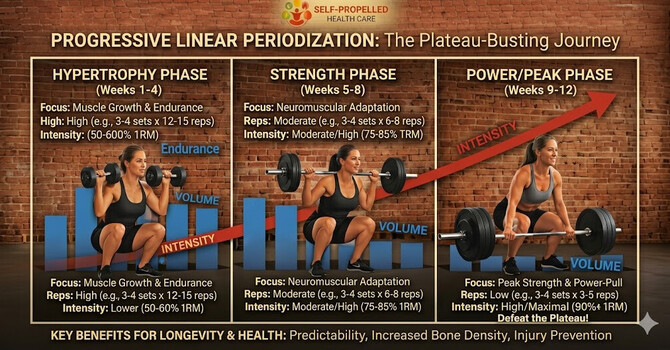
Prioritize Resistance & Cardiovascular Training: Exercise triggers the release of brain-derived neurotrophic factor (BDNF) and stimulates natural dopamine and norepinephrine production, buffering cognitive decline.
Protein-Forward Nutrition: Tyrosine, the amino acid precursor to dopamine, comes from dietary protein. Ensuring consistent protein intake across meals stabilizes energy and supports neurotransmitter production.
Final Thoughts
The cognitive disruption experienced during perimenopause and menopause is not a lack of willpower, personal failing, or simple "aging." It is a measurable neurochemical shift caused by the intricate relationship between estrogen and dopamine. Recognizing this connection allows you to stop fighting your biology and start assembling the clinical, hormonal, and environmental support your brain needs.